








Water sector electrical skills crisis threatens critical infrastructure delivery, ECA warns
Britain’s water sector faces a growing crisis that could slow the delivery of vital infrastructure upgrades unless industry acts now, the Electrotechnical Contractors’ Association (ECA) has warned.
The warning follows an ECA industry roundtable, where contractors, training specialists and water sector representatives highlighted acute shortages in specialist electrical skills are becoming a major barrier to safe, compliant and resilient project delivery.
Hazardous work, which includes work in the water industry, safety, and sector-specific standards were identified as pinch points. Taken alongside an ageing workforce, pressure on apprenticeship pipelines, and fierce competition for skilled labour from higher-paying sectors have led to a severe skills shortage.
Participants said many new entrants are leaving college without the practical experience needed for complex industrial environments, forcing employers to absorb the cost and time of additional site-readiness training.
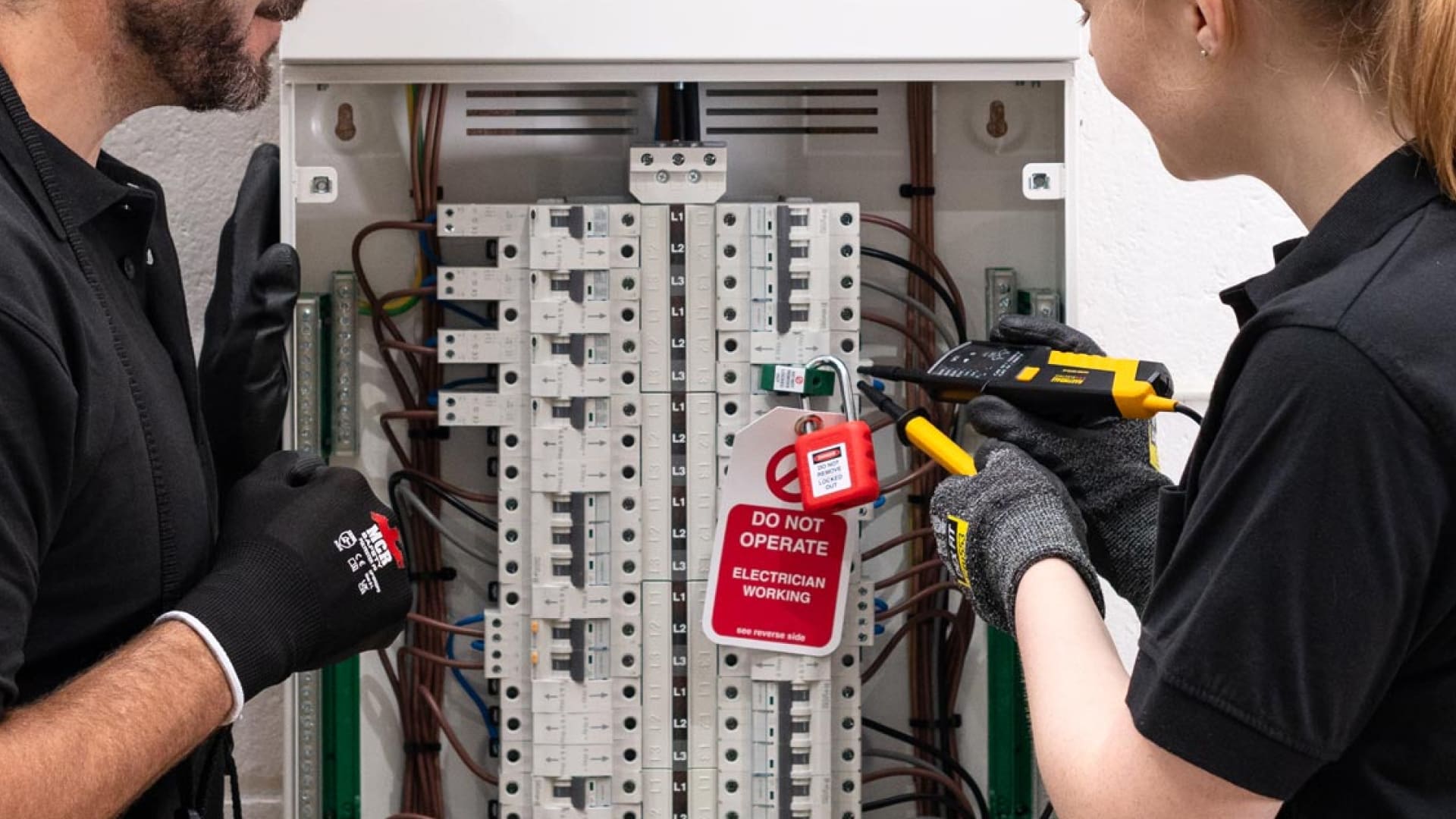
They also warned that general electrical qualifications are too often regarded by applicants as proof of specialist competence. Yet in hazardous settings, additional assessment and experience are essential to maintain safety and preserve life.
Gary Parker, Deputy Director of Technical at ECA, said:
“The water sector cannot deliver safe, reliable infrastructure without competent electrical contractors. The message from industry is clear: the skills pipeline is under serious strain, and urgent action is needed to attract new entrants, retain experienced workers and strengthen specialist training routes.
“This is about more than holding a qualification. Competence means having the right technical knowledge, practical experience, safe behaviours and ongoing development — particularly in high-risk environments such as water treatment and hazardous area work.”
The roundtable also exposed barriers for contractors looking to enter the water sector, including limited awareness of Water Industry Mechanical and Electrical Specifications (WIMES), sector-specific standards and differing expectations around accreditation.
ECA said it will continue working with water sector bodies, such as the Pump Centre, and industry partners to improve routes into the sector, support businesses and raise standards of contractor competence.
In prioritising next steps, the roundtable identified stronger careers guidance, closer employer engagement with training providers, better promotion of water industry careers and wider sharing of good practice across the supply chain.
Gary added:
“The water sector offers skilled, varied and meaningful careers — but we need to make those opportunities far more visible. Industry collaboration will be essential to build the competent workforce needed to support the sector’s future.”
ECA has a programme focused on major growth sectors and is inviting expressions of interest of those wishing to participate in future sector groups. These include defence, healthcare, off-site manufacturing and retail.
These groups will help ECA Member businesses understand emerging opportunities, build industry connections and influence the issues that will shape future markets.
Firms interested in joining future activity should contact: businesssupportdl@eca.co.uk.