








Upskill qualified electricians to maintain safe standards in renewable technology, says JIB
On 1 May 2026 FE Week reported on industry concerns about renewable technology training courses. Those which follow the Government-backed ‘Skills Bootcamp’ model are highlighted as particularly worrying, in terms of teaching methods and the quality of assessment. These are short-cut routes which do not result in competent installers and therefore undermine safety.
Experts within the electrotechnical sector are also questioning the effectiveness of units from apprenticeships being offered as standalone courses to upskill qualified electricians. The content within these units offers baseline awareness only. It lacks the scope, depth and rigour necessary for qualified electricians who have developed skills in these areas – post-apprenticeship or after completing another vocational route. With uptake likely to be low at best, these courses do not present a viable solution for increasing skills.
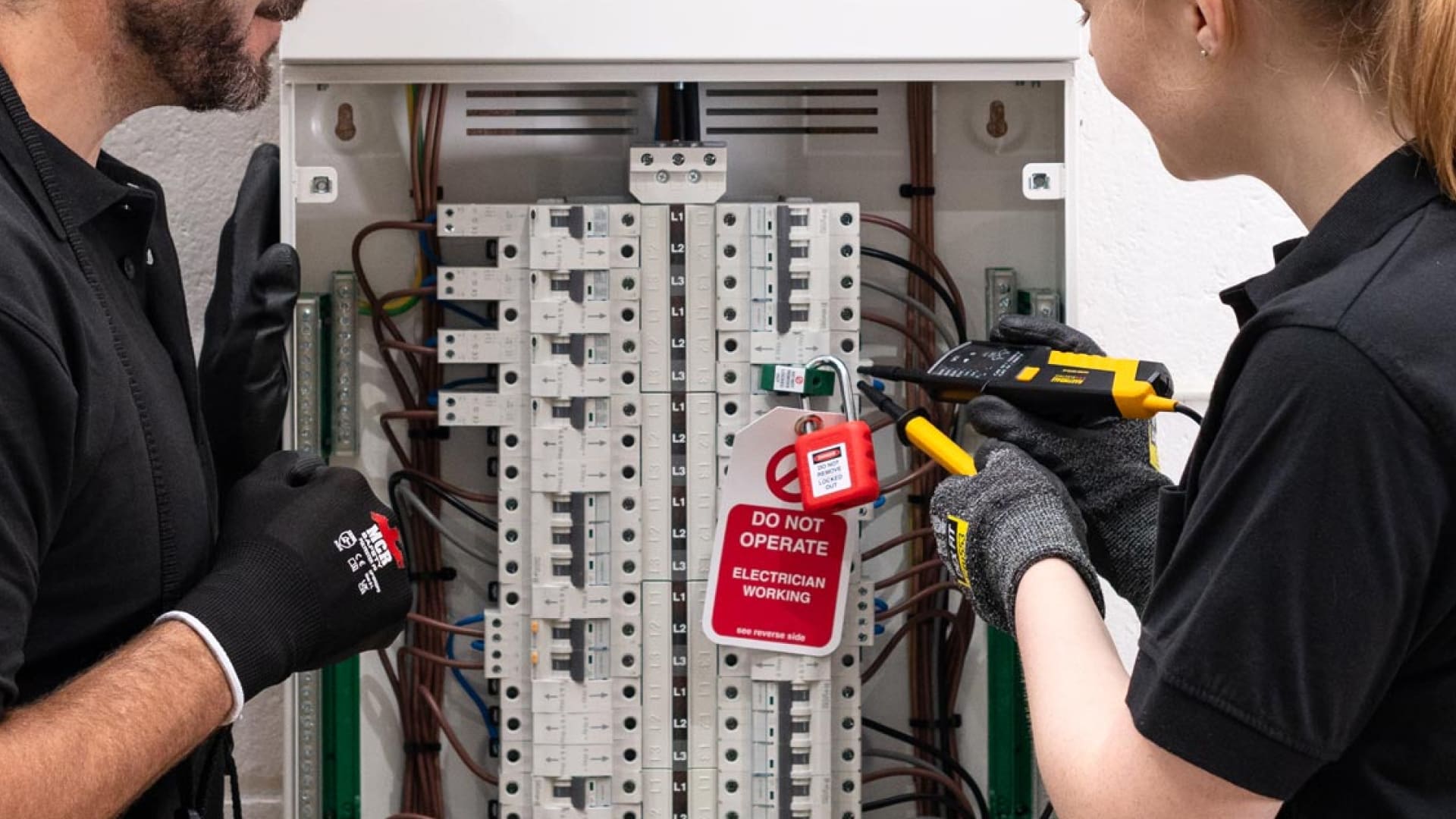
Competence is essential for safety
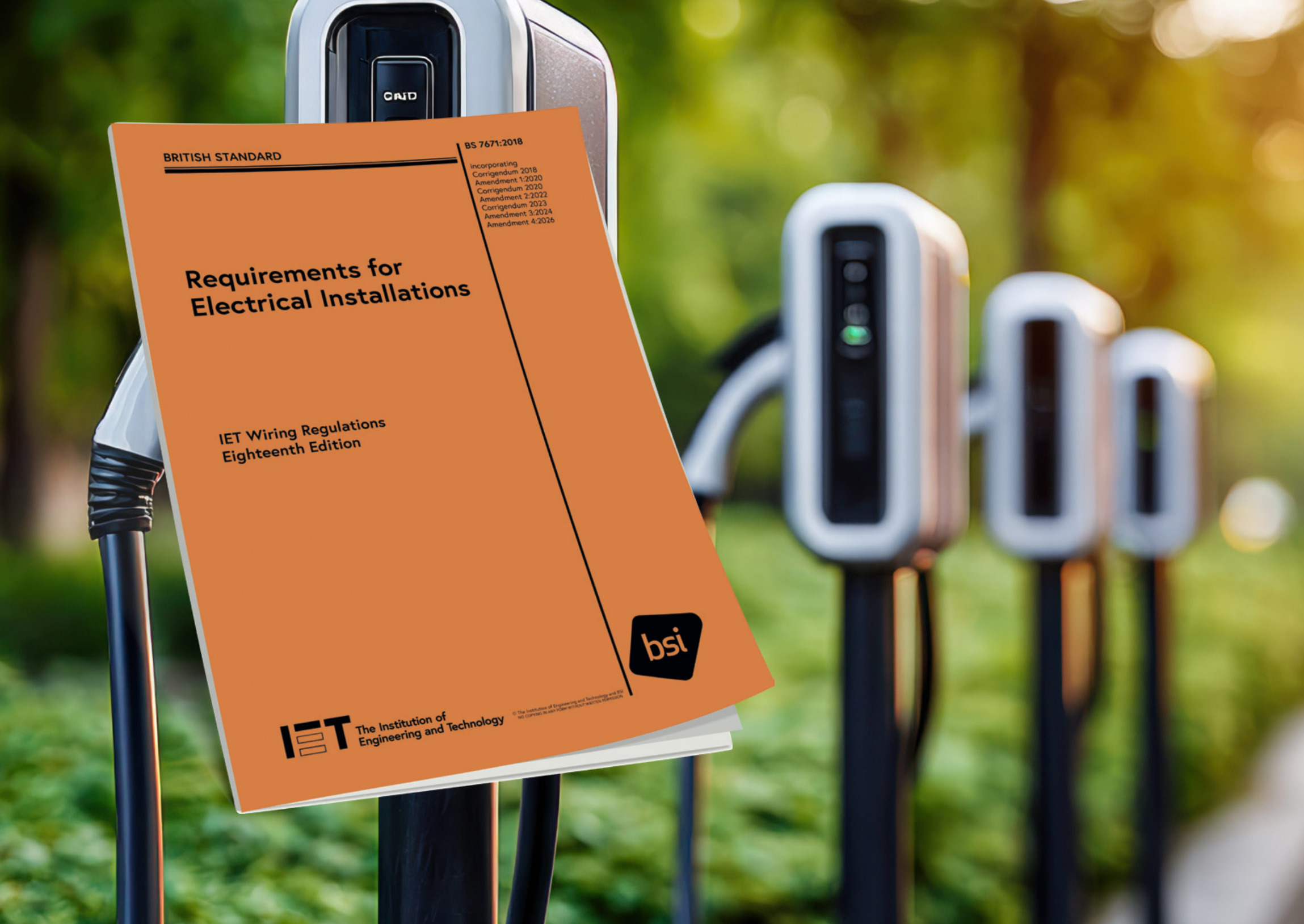
The JIB recognises that to meet Government targets – such as increasing the number of electric car chargers ten-fold to 300,000 by 2030 – electrical operatives will need to rapidly upskill to safely manage the workload. However, the position remains that qualified electricians are critical for the safe installation of renewable technology. It is possible to upskill the existing workforce to meet these needs, without resorting to dangerously watering down standards. Training courses – in solar photovoltaic (PV) panels, battery storage systems and electric vehicle charging points (EVCP) – should be undertaken by those who have already attained the industry-recognised standard to work in the electrotechnical sector.
This model, recognised through TESP Electrician Plus, is necessary for upcoming mandatory technical competencies (MTCs); EAS requirements for companies operating under competent person scheme operators; and for the Electrotechnical Certification Scheme (ECS). TESP approves courses designed to provide suitably qualified and competent electrical operatives with the additional skills required to install EVCPs and other essential infrastructure. These courses are reviewed and mapped by ECS which provides confidence that they are sufficiently rigorous.
Ongoing Government support for apprenticeships and routes to qualified status for experienced workers remains essential if we are to meet the current and future workforce requirements.
Andy Reakes, Acting CEO at JIB, said:
“For the UK to meet its net zero goals, we must address the shortage of skilled workers in the electrotechnical sector. However, allowing the installation of EV charging points, solar photovoltaic installations, battery storage or heat pumps to be carried out by unqualified individuals, with as little as six months’ training, compromises the safety of the installer and of the public.
“We saw with the OZEV and Cenex review of EV charge point installations in 2023 – that 24% of installations had at least one potentially dangerous element of non-compliance, or were immediately dangerous to the public or end user. These are safety critical roles. To undermine these established, popular industry standards would risk safety for the installer and the public. There are no shortcuts to competence.”