









Could new training obligations widen the electrical skills gap?
Electricians have been voicing concerns over changes to training and qualifications. CEF examines what this could mean for individuals, and for the industry.
In the last 10 years, the UK’s electrical skills gap has moved from a distant threat to a day-to-day reality. Demand for electrical work is rising faster than ever, driven by our increasing reliance on technology, yet the number of new qualified electricians just isn’t keeping up with that demand.
With new qualification criteria and regulatory changes ahead, including the new EAS requirements, that gap could grow even wider. So, what can the industry do to make sure that those necessary changes to standards and compliance can take place without impacting the availability of skills? Is it a case of supporting businesses to take on more apprentices, making training for experienced electricians easier to access, or a combination of the two?
In CEF’s recent Tech Talks, electricians at different stages of their careers have been voicing their concerns about new training obligations and what they could mean for each of them personally.
Less apprentices, more retirements, a growing skills gap
In 2025, 37% of electrical businesses told an ECA survey that a shortage of qualified electricians is holding back growth. Apprenticeship start rates are falling, with new electrical apprenticeships down 5.5% according to the latest Electrical Skills Index. Meanwhile, around 30% of the electrical workforce is over 50, with 10,000-20,000 electricians retiring every year.
Put those statistics together, and it paints a troubling portrait of the immediate future of electrical skills availability, at a time when the need for electrical services, both domestic and commercial, is rapidly increasing. To put it into context: according to one study, 10,000 electrician vacancies in the UK were unfilled in 2025, and that’s before factoring in the additional demand expected from the UK’s transition to cleaner energy and transport over the rest of the decade.
One of the more surprising aspects of the skills gap is that interest in the profession doesn’t appear to be the problem. Last year, 26,000 learners enrolled on electrical courses, yet only a fraction (some estimates say less than 20%) went on to complete an apprenticeship or start an electrical career.
Clearly, there is interest in becoming an electrician. The challenge is helping more of those learners take the next step into the profession – and helping businesses to support them, as well as benefit from them.
Part of the challenge is capacity from a business perspective. Taking on apprentices requires time, resource and investment from employers, many of whom are already stretched trying to keep up with demand. At the same time, those experienced electricians are being asked to keep up with new technologies, evolving regulations and increasing expectations around their own training and qualifications, let alone managing an apprentice on top of it.

Obstacles to existing electricians
Addressing the skills gap is as much about keeping experienced electricians in the trade as it is encouraging new ones into it. For electricians nearing retirement, new training and qualification requirements can be an obstacle to remaining in the trade, if they are not handled effectively. After years of experience in the trade, some may question whether it is worth investing both time and money in further qualifications so late in their careers. In an industry already facing a shortage of skilled people, retaining that experience will remain an important part of the wider skills conversation.
This is where making training and CPD accessible is so important. Over the past five years, demand for technical training has grown significantly as electricians seek to stay up to date with new technologies such as solar PV, battery storage and EV charging, alongside keeping up with changes to standards and regulations. With changes to EAS requirements coming into effect this October, this has become even more pressing, and can feel more like an obstacle than an opportunity for time stretched electricians.
The challenge for the industry is making that training as accessible as possible, whether that’s through local delivery, flexible learning options or practical, hands-on training that fits around the realities of the job.
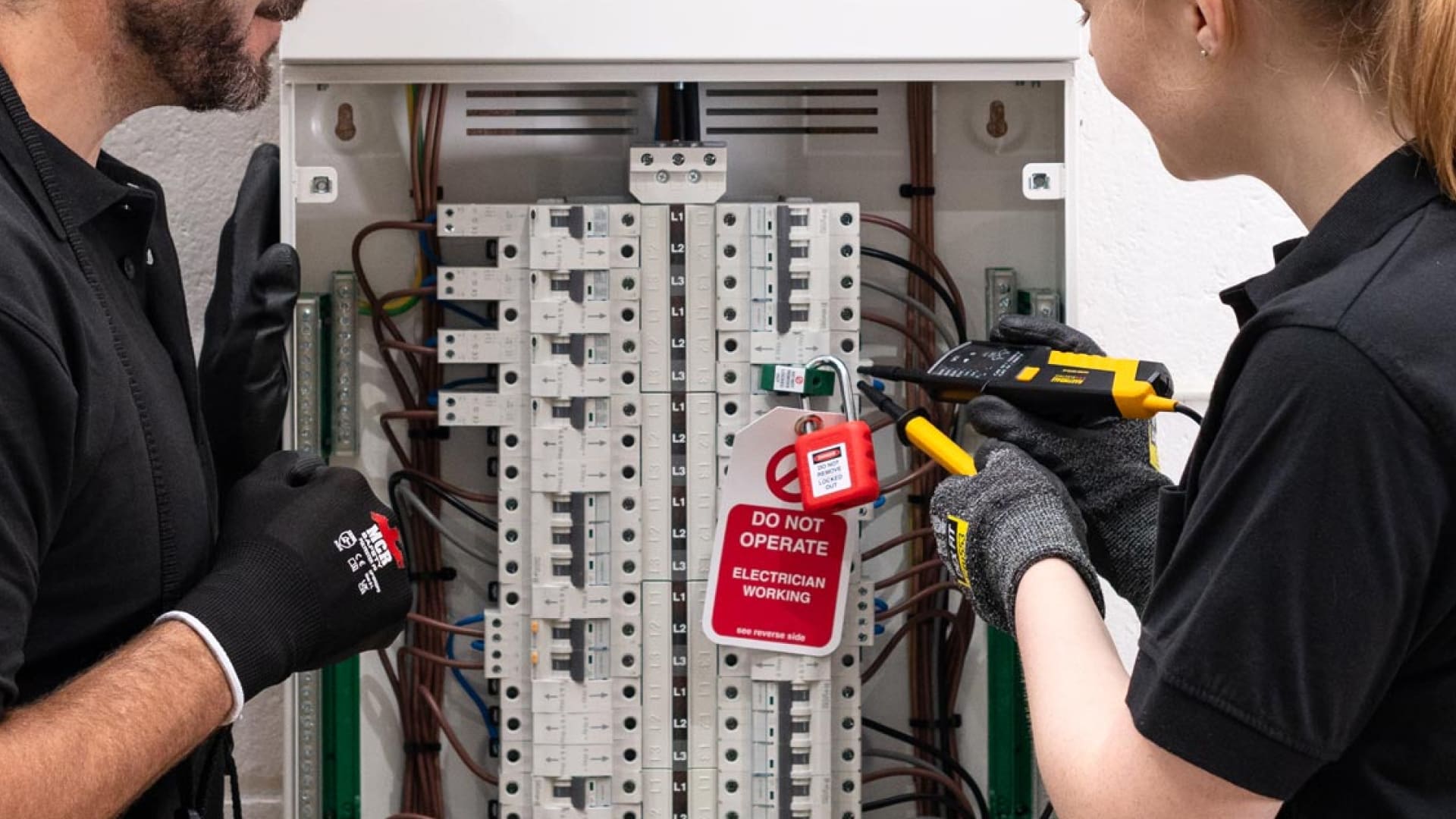
This is an area where businesses across the industry are looking for practical solutions. Through its TechTalks, CPD programme and City & Guilds-approved Tech Training courses, CEF has seen first-hand how demand for training has grown in recent years. The focus is not simply on delivering qualifications, but on making them easier to access, through local training locations, online learning where appropriate, and practical, hands-on courses designed to fit around the day-to-day demands of electrical work.
The electrical skills gap won’t be solved by a single initiative. The industry needs more apprentices coming through, better routes from education into employment, and support for experienced electricians who continue to develop their skills throughout their careers.
If the UK is going to meet the growing demand for electrical work over the next decade, attracting new talent will be important. Making it easier for people to build and maintain long-term careers in the industry, whatever their current skill level, will be just as essential.